
The Alphabetical Murder Campaign
The A.B.C. MurdersThis thread traces the apparent sequence of alphabetical murders from a private challenge into a public campaign that ultimately conceals a different crime.
increasing Bearing strength in each event
 decreasing
Bearing strength in each eventdecreasingThe First Warning

A Challenge Arrives
The warning
An anonymous letter tells Hercule Poirot to watch Andover on June 21. Its confident tone troubles him more than it persuades the police.
The threat takes shape
Poirot suspects murder, though Arthur Hastings dismisses the letter as a drunken joke. Their disagreement establishes the first uncertainty of the case.
Andover Begins
The First Murder
A shopkeeper killed
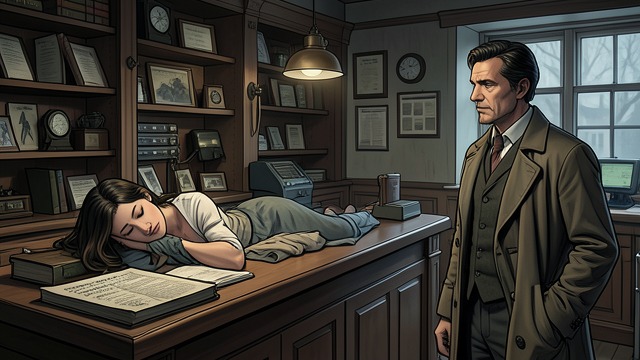
Alice Ascher is found dead in her Andover tobacco shop, apparently struck from behind while serving a customer. Her estranged husband becomes the obvious suspect.
A railway guide
An A.B.C. railway guide lies conspicuously on the counter. The object turns a local killing into a possible fulfillment of the warning.
The Second Letter
A Pattern Advertised
Bexhill named
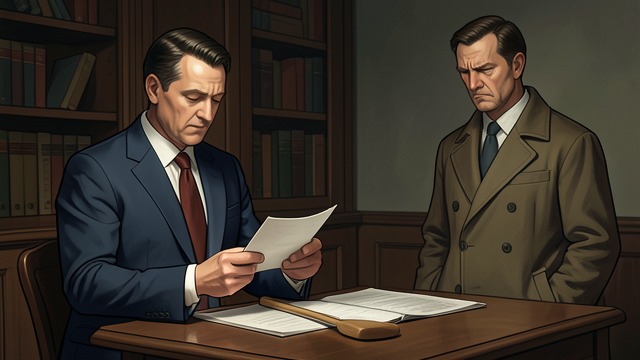
A new letter taunts Poirot and identifies Bexhill-on-Sea as the next destination. The interval gives the police warning, but no clear victim.
A public danger
Poirot reads the message as evidence that the first murder was only a beginning. The threat now appears to involve an ordered series.
The Series Expands
B and C
A seaside victim
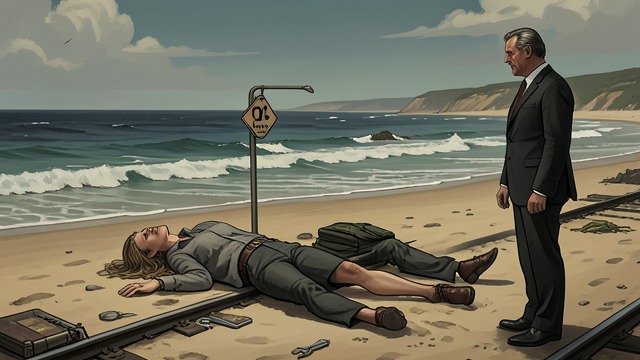
Elizabeth Barnard is found strangled on the Bexhill beach, with a railway guide beneath her. The apparent alphabetical design gains force.
A delayed warning
A misaddressed letter reaches Poirot too late to prevent Sir Carmichael Clarke’s murder at Churston. Each new crime enlarges the public panic.
The Pattern Exposed
The Alphabet as Cover
D goes wrong
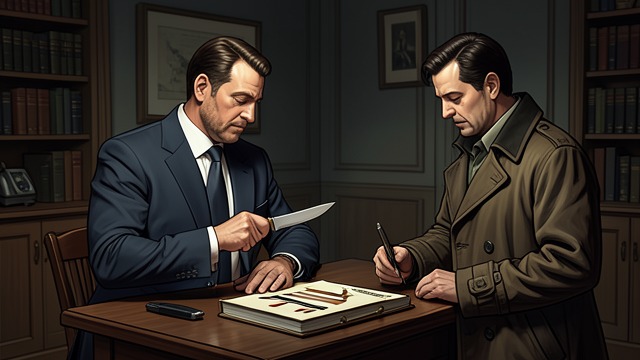
At Doncaster, the killer stabs George Earlsfield, apparently mistaking him for Roger Downes. The deviation reveals that the pattern may be theatrical rather than binding.
A hidden purpose
Poirot concludes that the sequence disguises Franklin Clarke’s murder of his brother. The supposed campaign has protected the real motive by making unrelated murders look connected.
June 1935, before the Andover murder
June 21–22, 1935
July 25, 1935
July 25 and July 30, 1935
September 1935, after the Doncaster murder
